If you want to turn a standard mesh or wire fence into a durable privacy barrier, PVC Privacy Screen Strips offer a practical and cost-efficient solution. They are widely used in residential, commercial, and industrial fencing projects because they improve Privacy Protection while maintaining airflow and reducing installation cost.
Unlike solid wall systems, PVC strip fencing integrates directly into existing wire mesh structures, making it a flexible upgrade for both new and retrofit fencing projects.
What is PVC Strip Fencing?
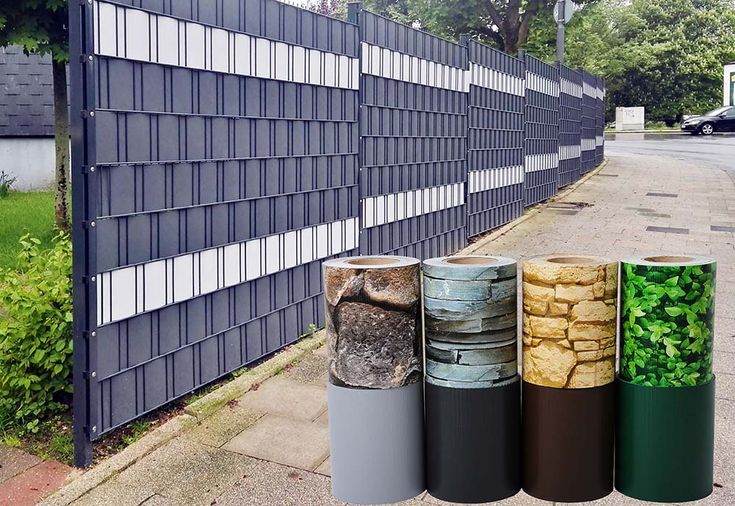
PVC strip fencing is a fence infill system made of flexible polyvinyl chloride (PVC) strips that are woven through metal mesh fences such as 2D double-wire panels, 3D welded mesh panels, or chain-link fences.
The system works in two parts:
- Metal mesh fence: provides structural strength
- PVC strips: provide visual screening and privacy
Once installed, the strips form a continuous barrier that reduces visibility while still allowing airflow.
Key characteristics:
- Flexible PVC material designed for outdoor use
- Compatible with most standard mesh fence systems
- Available in different opacity levels (semi-private to full privacy)
- Designed to resist UV exposure and outdoor aging
- Commonly used as an alternative to solid fencing panels
Core Advantages of PVC Strip Fencing
- Strong Privacy Protection for residential and industrial areas
- Weather Resistant performance in rain, wind, and temperature changes
- Long service life with UV-stabilized materials
- Lower cost compared to wood, metal, or brick fencing
- Modular replacement (individual strips can be replaced easily)
- Minimal maintenance after installation
Material quality directly affects lifespan, appearance, and performance. The following technical indicators are commonly used in industrial sourcing.
1. Material Weight (GSM)
GSM (grams per square meter) reflects density and durability:
- 450 GSM: light-duty use, budget installations
- 630–700 GSM: standard industrial-grade performance
- 800+ GSM: heavy-duty use for high-wind or commercial zones
Higher GSM generally means better tear resistance and stronger wind stability.
2. Thickness and Structural Stability
- Standard thickness: 1.2mm – 1.5mm
- Thicker strips provide better wind resistance and reduced deformation
- Recommended for long-term fencing: ≥1.3mm
3. UV Resistance Performance
Outdoor PVC must be stabilized to maintain color and strength over time.
Typical industrial specifications include:
- UV stabilizer additives (carbon black or titanium dioxide formulation)
- Weathering test compliance under ISO 4892 accelerated aging standards
- Outdoor lifespan: 3–8 years depending on UV intensity and region
High-quality strips are designed to consistently resist UV exposure without cracking or fading.
4. Weather Resistance
A reliable Weather Resistant PVC strip should:
- Remain flexible in cold temperatures (down to -20°C or lower)
- Avoid softening or distortion under high heat
- Maintain structural integrity in rain, snow, and wind exposure
5. Surface Finish
- Matte or textured finish reduces glare
- Improves scratch resistance
- Provides a more architectural, uniform appearance
Key Product Features
- PVC Privacy Screen Strips for mesh fencing systems
- High-density structure for improved Privacy Protection
- Weather Resistant performance for outdoor environments
- UV-stabilized material designed to resist UV exposure
- Compatible with 2D, 3D, and chain-link fencing systems
Step-by-Step Installation Process (Industry Standard Method)
This installation method is widely used in residential and industrial fencing projects.
Step 1: Measure Your Mesh Size (50mm vs 190mm)
Measure the spacing between vertical or horizontal wires:
- 50mm mesh: higher privacy coverage, tighter weaving
- 190mm mesh: faster installation, more airflow
Correct measurement ensures proper strip width selection and reduces material waste.
Step 2: Cut Strips with 10–15 cm Allowance
Cut strips according to fence height, but always include extra length:
- +10 cm for standard ground conditions
- +15 cm for uneven or sloped terrain
This allowance is needed for secure fastening on both ends.
Step 3: Weave Through the Fence Structure
Weave strips through mesh openings in a consistent pattern:
- Over two wires, under two wires (or similar repeating pattern)
- Maintain steady tension across the panel
- Avoid over-tightening to prevent mesh distortion
Proper weaving ensures uniform Privacy Protection performance.
Step 4: Secure with Mounting Clips
Fold excess material at both ends and secure using UV-resistant clips:
- Prevents wind displacement
- Maintains alignment over time
- Strengthens overall fence stability
Real-World Installation Considerations
In practical fencing projects, environmental conditions significantly affect performance.
- In coastal or high-wind regions, full-density weaving may increase wind load
- Reinforced fence posts are recommended for 630 GSM+ installations
- Slight spacing between strips can improve airflow without reducing privacy
- Chain-link fences require more careful alignment due to diagonal mesh structure
These adjustments help balance durability and structural safety.
Common Mistakes and Maintenance Tips
1. Using low UV-grade material outdoors
Low-quality PVC may fade or become brittle within one season. Always confirm UV stabilization.
2. Over-tight weaving
Excess tension can deform mesh panels and reduce long-term stability.
3. Ignoring wind load
Solid coverage in open areas can create “sail effect,” increasing pressure on fence posts.
Maintenance
- Clean with water 1–2 times per year
- Use mild soap for stubborn dirt
- Inspect clips after storms
- Replace damaged strips individually when needed
Frequently Asked Questions
1. What is the lifespan of PVC strip fencing?
High-quality PVC strip fencing typically lasts 5–8 years, depending on UV exposure and environmental conditions.
2. Can PVC fence strips fully block visibility?
Yes. With high-density installation and correct weaving, visibility can be reduced to near-zero at normal viewing distances.
3. Is PVC strip fencing truly Weather Resistant?
Yes. Industrial-grade strips are designed to remain Weather Resistant under rain, wind, snow, and temperature fluctuations.
4. Can I install PVC strips on chain-link fences?
Yes, but installation takes longer due to the diamond-shaped structure. Specialized weaving or clips are recommended.
5. What GSM is best for outdoor fencing?
- 450 GSM: light-duty
- 630–700 GSM: recommended standard
- 800+ GSM: high-wind industrial environments
Conclusion
PVC strip fencing is a practical solution for upgrading existing mesh fences into durable privacy barriers. By selecting the right GSM level, UV-stabilized material, and proper installation method, users can achieve long-term Privacy Protection with stable Weather Resistant performance and minimal maintenance requirements.