Sunshade fabric is widely used in outdoor environments to reduce heat, block UV rays, and improve comfort in residential, commercial, and public spaces. From shade sails to shade cloth, these materials are designed to provide protection from sunlight while maintaining airflow and visibility.
This guide explains sun shade fabrics, their types, manufacturing methods, applications, and how to choose the right product.
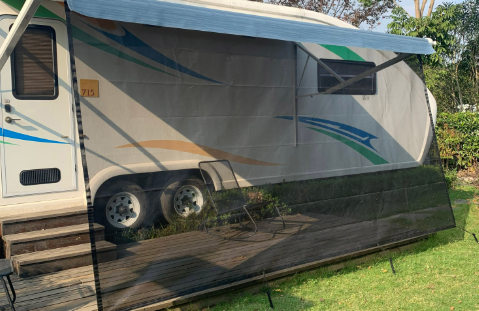
What Is Sunshade Fabric? (Featured Snippet Section)
Sunshade fabric is a synthetic or composite textile designed to block sunlight, filter UV rays, and reduce heat while allowing air circulation. It is commonly used in shade sails, outdoor canopies, pergolas, and agricultural shading systems.
Main Types of Sun Shade Fabrics
1. Shade Cloth
- Woven or knitted fabric made from HDPE or polyester
- Available in different shading percentages (30%–95%)
- Used in gardens, greenhouses, patios, and parking areas
2. Shade Sails Fabric
- Tensioned triangular or rectangular fabric structures
- Typically made from HDPE mesh or coated polyester
- Designed for modern outdoor shading architecture
3. PVC Coated Sunshade Fabric
- Polyester fabric coated with PVC
- Waterproof and weather resistant
- Used in pergolas, tents, and permanent outdoor structures
4. Mesh Sunshade Fabric
- Open-weave fabric that allows airflow
- Reduces wind pressure and heat buildup
- Suitable for fencing, scaffolding, and sports facilities
5. Knitted HDPE Shade Fabric
- UV-stabilized high-density polyethylene
- Lightweight and durable
- Common in agriculture and residential shading
How Sunshade Fabrics Are Manufactured
Base Polymer Materials
Sunshade fabrics are made from:
- High-density polyethylene (HDPE)
- Polyester yarns
- PVC-coated composite fabrics
UV Stabilization
Additives are added to protect the material from UV rays, preventing degradation and fading during long-term outdoor exposure.
Knitting or Weaving
- Knitted fabrics provide flexibility and wind permeability
- Woven fabrics offer higher strength and dimensional stability
Coating and Finishing
Some fabrics are coated with PVC or acrylic layers to enhance:
- Water resistance
- Tear resistance
- Anti-mildew and anti-static performance
Key Performance Features of Sunshade Fabrics
UV Protection
Sunshade fabrics block a high percentage of UV rays, reducing sunburn risk and protecting outdoor furniture.
Heat Reduction
They lower surface temperatures by shading direct sunlight and improving airflow.
Durability
High-quality fabrics resist tearing, fading, and environmental exposure for outdoor use.
Air Permeability
Mesh and knitted fabrics allow air circulation, preventing heat buildup under the shade.
Easy to Install
Most shade sails and shade cloth systems are lightweight and designed for simple mounting with ropes, cables, or hardware kits.
Common Applications of Sun Shade Fabrics
- Residential patios and gardens
- Swimming pools and playgrounds
- Carports and parking areas
- Outdoor cafes and restaurants
- Greenhouses and agricultural shading
- Sports facilities and stadiums
- Construction and scaffolding shading
How to Choose the Right Sunshade Fabric
Shading Percentage
- 30–50%: Light shading for plants and patios
- 70–80%: General outdoor living spaces
- 90–95%: Maximum sun protection for parking and playgrounds
Material Type
- HDPE mesh: Breathable and lightweight
- PVC coated fabric: Waterproof and strong
- Polyester fabric: Balanced durability and appearance
Color
Darker colors absorb more heat but block more light; lighter colors reflect heat and create brighter spaces.
Installation Style
- Shade sails for architectural shading
- Shade cloth for practical coverage
- Pergola and canopy systems for permanent structures
Advantages of Sunshade Fabrics
- Reduces UV exposure and heat
- Protects people, vehicles, and furniture
- Flexible and customizable shapes
- Lightweight and easy to install
- Suitable for residential and commercial outdoor use
Limitations of Sun Shade Fabrics
- Mesh fabrics are not waterproof
- PVC coated fabrics may trap heat if ventilation is poor
- Low-quality fabrics fade and degrade quickly
- Improper installation can reduce lifespan
FAQs About Sunshade Fabric
What is the difference between shade sails and shade cloth?
Shade sails are tensioned architectural structures made from sunshade fabric, while shade cloth is usually sold in rolls for covering gardens, patios, and fences.
How much UV protection do sunshade fabrics provide?
Most sun shade fabrics block 70% to 95% of UV rays depending on the shading rate and material type.
Are sunshade fabrics waterproof?
Mesh shade cloth is breathable but not waterproof. PVC coated sunshade fabrics are waterproof and suitable for rain protection.
How long do sunshade fabrics last outdoors?
High-quality UV-stabilized fabrics can last several years with proper installation and maintenance.
Are shade sails easy to install?
Yes, shade sails are designed to be easy to install using mounting hardware, posts, and tension cables. Proper tension improves durability and performance.
What color sunshade fabric is best?
Dark colors provide more shading, while light colors reflect heat and create brighter shaded areas.
Can sunshade fabric be cleaned?
Yes, most fabrics can be cleaned with mild soap and water. Avoid harsh chemicals and abrasive brushes.
Conclusion
Sunshade fabric is a practical solution for reducing sun exposure and improving outdoor comfort. Whether using shade sails, shade cloth, or coated sun shade fabrics, selecting the right material and shading percentage ensures better thermal comfort and long-term outdoor performance.
With proper installation and maintenance, sunshade fabrics provide a flexible and cost-effective shading solution for homes, businesses, and public spaces.