

PVC coated fabric and PVC laminated fabric are two of the most widely used vinyl fabrics in industrial and outdoor applications. Both materials are based on polyvinyl chloride technology and offer waterproof, UV resistant, and heavy duty performance. However, their manufacturing methods, durability, and cost structures differ significantly.
This guide explains the differences between PVC coated and PVC laminate fabrics, their properties, and how to choose the right material for your project.
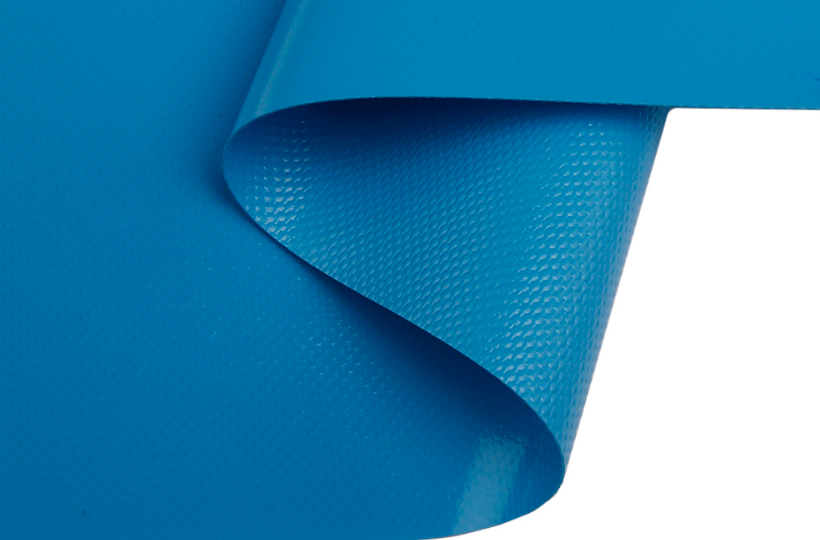
PVC fabric is a composite textile made by combining a base fabric (usually polyester) with a layer of polyvinyl chloride. This process creates a coated fabric or laminated structure that is waterproof, abrasion resistant, and suitable for outdoor applications.
PVC fabric is widely used in truck covers, tents, awnings, inflatable products, banners, and industrial covers.
PVC coated fabric is produced by applying liquid PVC paste directly onto a base fabric using knife or calender coating methods.
PVC laminated fabric is made by bonding a PVC film layer onto a base fabric using heat and pressure.
Main differences:
PVC coated fabric is manufactured by applying liquid PVC resin onto a base fabric and curing it with heat. This method allows deeper penetration into the textile, improving adhesion and performance.
PVC coated polyester is commonly used for truck tarps, industrial curtains, building membranes, and inflatable structures.
PVC laminated fabric (PVC laminate) is produced by bonding a PVC film layer to a fabric substrate using heat and adhesive processes. The film layer provides waterproofing and surface finish.
PVC laminated fabrics are widely used in tents, awnings, advertising banners, and shade fabrics.
| Feature | PVC Coated Fabric | PVC Laminated Fabric |
|---|---|---|
| Durability | Highly durable | Medium |
| Tear Strength | High | Moderate |
| UV Resistance | Excellent (with additives) | Good |
| High Temperature Resistance | Better | Moderate |
| Weight | Medium to Heavy | Light |
| Cost | Higher | Lower |
| Outdoor Lifespan | Long-term | Medium-term |
PVC coated and laminated fabrics are commonly sold as fabrics by the yard or in rolls for custom fabrication.
When selecting vinyl coated or laminated fabrics, consider:
PVC coated fabric uses liquid PVC applied directly to the fabric, while PVC laminated fabric uses a pre-made PVC film bonded to the fabric.
PVC coated fabric is more durable due to stronger bonding and deeper PVC penetration into the textile.
Yes, PVC laminated fabric is waterproof and suitable for many outdoor applications.
Yes, both PVC coated and laminated fabrics can be formulated with UV resistant additives.
PVC coated fabric generally performs better in high temperature conditions due to stronger PVC-fabric adhesion.
Industries include transportation, construction, agriculture, advertising, marine, and outdoor equipment manufacturing.
Yes, PVC fabrics can be customized in thickness, color, surface finish, and special properties such as anti-mildew or flame retardant.
PVC coated fabric and PVC laminated fabric are widely used vinyl fabrics with different performance levels and cost structures. PVC coated fabric offers higher durability, better resistance, and longer service life, making it suitable for heavy duty and long-term outdoor applications. PVC laminated fabric is a lightweight and cost-effective solution for general outdoor and commercial uses.
Understanding these differences helps buyers select the right PVC fabric for their specific needs.
