Flex banner material is one of the most widely used banner materials in the global signage and advertising industry. It is known for its durability, print quality, and cost efficiency, making it a preferred choice for vinyl banner printing for both indoor and outdoor applications.
This guide explains what flex banner material is, how it is made, its types, applications, and key buying factors.
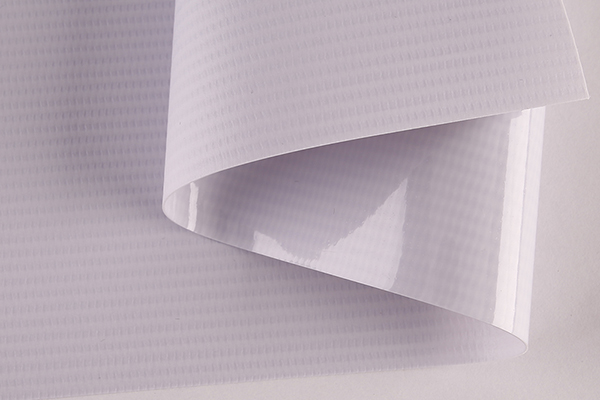
What Is Flex Banner Material? (Featured Snippet Section)
Flex banner material is a synthetic coated fabric, typically made from PVC-coated polyester or vinyl, designed for digital printing and large-format signage.
It offers weather resistance, flexibility, and long-term outdoor performance at a relatively low cost.
What Is a Vinyl Banner?
A vinyl banner is a printed banner made from PVC-based materials, including flex banners, blockout banners, and mesh banners. Vinyl banners are widely used for advertising, branding, trade shows, and event signage.
Common Types of Flex Banner Materials
1. Frontlit Flex Banner
- Designed for front lighting conditions
- Smooth surface for high-resolution printing
- Common for billboards, shop signs, and event backdrops
2. Backlit Flex Banner
- Translucent material for LED or lightbox displays
- Allows light to pass through evenly
- Used in malls, airports, and illuminated signage
3. Blockout Flex Banner
- Double-sided printing with black middle layer
- Prevents light transmission and shadowing
- Ideal for roll-up banners and exhibition graphics
4. Mesh Banner
- Perforated vinyl fabric for wind resistance
- Used for building wraps and outdoor fences
- Reduces wind load and improves safety
How Flex Banner Material Is Manufactured
Flex banners are usually produced through PVC coating or lamination processes:
- Polyester Fabric Base Woven polyester provides tensile strength and dimensional stability.
- PVC Coating or Lamination Liquid PVC resin or PVC film is applied to both sides of the fabric.
- Surface Treatment Surface is treated for ink adhesion, anti-static properties, and UV resistance.
- Calendering and Finishing The material is flattened, cooled, and wound into rolls for printing.
Key Features of Flex Banner Materials
Durability
Flex banners are designed for outdoor exposure and can last from months to several years depending on thickness and UV additives.
Weather Resistance
They are resistant to rain, sunlight, and dust, making them suitable for harsh environments.
Print Quality
The coated surface supports solvent, eco-solvent, UV, and latex printing, delivering vivid colors and sharp graphics.
Flexibility
Despite being strong, flex banners remain lightweight and easy to install.
Common Applications of Vinyl Banner Materials
- Outdoor advertising billboards
- Trade show and exhibition displays
- Event backdrops and stage banners
- Building wraps and scaffolding covers
- Retail store signage
- Promotional posters and roll-up banners
How to Choose the Right Flex Banner Material
Thickness (GSM)
- 280–340 GSM: Indoor and short-term use
- 440–510 GSM: Standard outdoor advertising
- 600 GSM and above: Heavy-duty and long-term outdoor use
Coating Type
- PVC coated: Higher durability and better ink adhesion
- PVC laminated: Lower cost, suitable for short-term applications
Surface Finish
- Glossy for vibrant colors
- Matte for glare-free viewing
- Satin for balanced appearance
Advantages of Flex and Vinyl Banner Materials
- Cost-effective compared to rigid signage materials
- Suitable for large-format printing
- Easy to transport and install
- Customizable sizes and finishes
- Compatible with various printing technologies
Limitations of Flex Banner Materials
- Not biodegradable
- Can deform under extreme heat if low quality
- Environmental concerns due to PVC content
- Not suitable for premium interior decor compared to fabric graphics
FAQs About Flex Banner and Vinyl Banner Materials
What is the difference between flex banner and vinyl banner?
Flex banner is a type of vinyl banner made with PVC-coated polyester fabric. Vinyl banner is a broader term that includes flex, mesh, and blockout banners.
How long does a flex banner last outdoors?
High-quality flex banners can last 1–3 years outdoors, depending on UV exposure, climate, and thickness.
Is flex banner waterproof?
Yes, flex banners are waterproof and resistant to moisture, making them suitable for outdoor signage.
Can flex banners be recycled?
PVC banners are difficult to recycle, but some manufacturers offer recycling programs or eco-friendly alternatives like PVC-free fabrics.
What printing methods are used for vinyl banners?
Common methods include solvent printing, eco-solvent printing, UV printing, and latex printing.
What GSM is best for outdoor banners?
For outdoor use, 440 GSM or higher is recommended to ensure strength and durability.
Are flex banners suitable for indoor use?
Yes, thinner GSM flex banners are widely used for indoor displays, exhibitions, and retail signage.
Conclusion
Flex banner material remains one of the most popular banner materials due to its durability, print quality, and affordability. Whether used for large outdoor billboards or indoor promotional displays, vinyl banner solutions offer flexibility and performance for many advertising needs.
For businesses, choosing the right thickness, coating method, and finish ensures optimal performance and cost efficiency.